With school back for the new year, many parents breathe a sigh of relief once the routine returns and the days feel more predictable.
But for some families, it is not that simple. Not every child settles into the term smoothly, and the resistance to go to school can linger well beyond the first few weeks.
It might look like morning stomach aches, dragging their feet to get ready, sudden tears, or emotional outbursts over small things.
When these patterns continue, it can be a sign that something deeper happening beneath the surface.
If this sounds familiar, you are not alone.
School anxiety is common in primary-aged children. Recent Australian research found that 36% of primary school parents reported their child experienced stress or unhappiness about attending school in the past year, with almost one in four children feeling this way weekly. HCF Research on Primary School Refusal, 2024.
Ongoing school nerves are not always about the first day. They can often show up once the term settles and expectations increase.
Here are five ways to help support your child manage school anxiety during the term.
1. Look Beneath The Behaviour
When a child says, “I don’t want to go to school,” it rarely means they do not feel like it. It can mean:
-
I feel socially unsure
-
I am worried about making mistakes
-
I feel overwhelmed
- I am tired and stretched emotionally
Children often express anxiety through behaviour rather than words. Irritability, stomach aches, clinginess, and frustration are common signs of anxiety in kids. Instead of correcting the behaviour first, get curious about the emotion underneath it.
You might say, “Something feels hard about school lately. Do you want to tell me what part feels tricky?”
Naming the feeling reduces its intensity. Research in child psychology consistently shows that emotional labelling helps regulate the nervous system.
2. Create A Predictable Emotional Check-In Routine
When anxiety lingers during the school term, consistency becomes powerful.
Set aside five minutes each afternoon or evening for a structured check-in. Ask three simple questions:
-
What was one good part of your day?
-
What felt hard?
-
What would help tomorrow feel easier?
This builds emotional awareness and helps children process stress before it builds up. It also strengthens parent-child connection, which is one of the strongest protective factors against anxiety.
A short daily reflection routine supports emotional resilience more effectively than one big conversation when things explode.
3. Teach Practical Coping Skills For School Anxiety
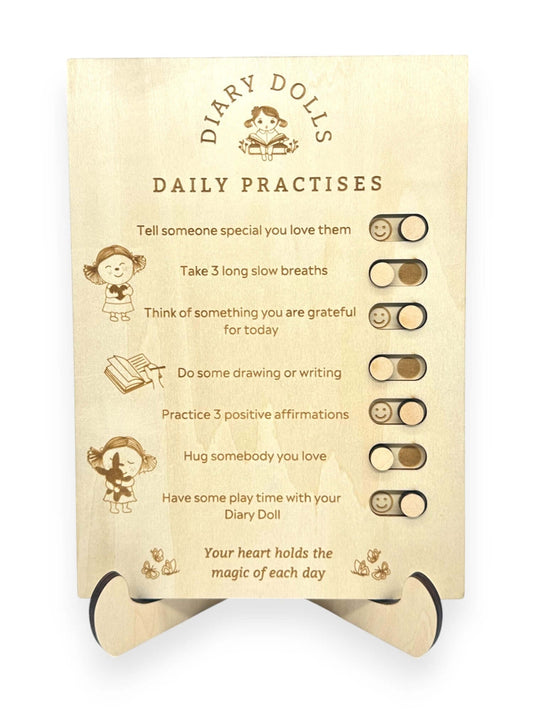
Children need concrete tools, for when uneasy feelings creep in. Simple coping strategies done when our children are in a calm state can help them have practises to fall back on during stressful moments.
Simple coping strategies include:
Breathing regulation
Slow breathing in for four counts and out for four counts activates the parasympathetic nervous system and reduces physical anxiety symptoms.
Grounding techniques
Ask your child to name five things they can see, four things they can hear, and three things they can touch. This brings attention back to the present moment.
Confidence rehearsal
Before school, say, “If something feels tricky today, what could you say to yourself?” Help them choose a short internal script such as “I can handle this” or “It is okay to try.”
Coping skills give children a sense of control, which directly reduces anxiety.
4. Break Up Big Worries Into Smaller Parts
Anxiety grows when problems feel too big.
If your child says, “School is hard,” gently narrow it down to the area that feels tough.
Is it:
-
Friendship dynamics?
-
Academic pressure?
-
A particular teacher?
-
Noise and overwhelm?
-
Fear of getting something wrong?
When you identify the specific trigger, you can create a specific plan.
For example, if lunchtime feels overwhelming, role-play asking someone to sit together.
If math class feels stressful, practise at home in short bursts and celebrate effort rather than results.
When we can pinpoint the areas that are causing stress for your child, we can take small steps reduce anticipatory anxiety and increase confidence.
5. Build Emotional Confidence
Many children who struggle with school anxiety are capable students. The challenge is often emotional confidence, not academic ability.
Emotional confidence means:
-
Understanding feelings
-
Knowing how to express them
-
Believing they can cope with discomfort
- Recovering after hard moments
This is built through repetition and reflection. Journalling, guided prompts, and structured reflection activities help children safely process school experiences. Writing or drawing about their day helps them make sense of what happened, creating a natural release for emotions rather than carrying them forward.
Over time, this builds resilience and can reduce school avoidance behaviours.
School Anxiety During The Term Is Common
Ongoing anxiety about school is not a sign that your child is weak or failing. It is often a sign that their nervous system is activated.
When supported early, most children build coping skills that strengthen both emotional wellbeing and long-term confidence.
Ignoring persistent school anxiety, however, can allow patterns of avoidance and distress to deepen. Which is why early support matters.
How Diary Dolls Support Children Experiencing School Anxiety
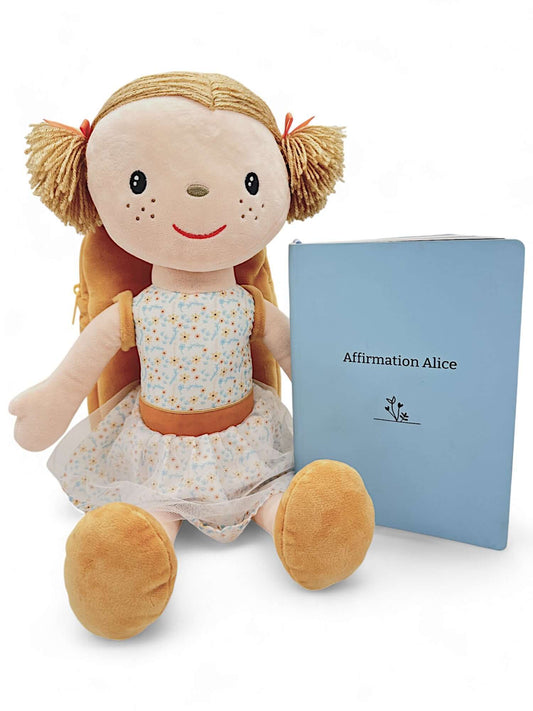
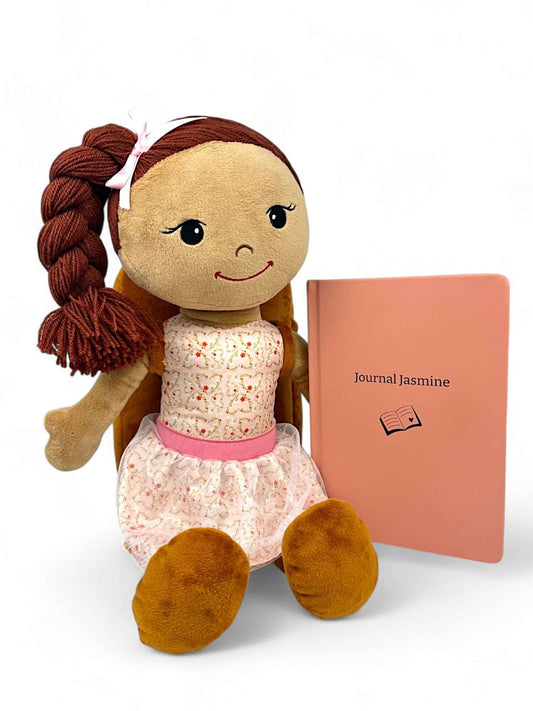
Diary Dolls were created to support children in building emotional resilience through structured reflection and positive self-belief.
For children experiencing school nerves during the term, Diary Dolls help by:
-
Providing guided prompts to talk about daily school experiences
-
Encouraging emotional expression through writing and drawing
-
Reinforcing positive self-talk and self-belief
-
Creating a predictable after-school reflection ritual
Rather than forcing big conversations, Diary Dolls create a gentle bridge between parent and child.
A consistent five-minute reflection practice can shift how a child experiences the world. Over time, that small daily habit builds emotional confidence that carries into the classroom.
If your child is feeling anxious about school right now, you are not alone. Diary Dolls is here to equip them with the tools to handle those feelings with strength.
And that is a skill that lasts far beyond school years.