There is a common misconception in parenting that children should be able to calm themselves down if we explain things clearly enough. The reality is very different.
Children are not born with the ability to regulate their emotions. The part of the brain responsible for impulse control, emotional regulation, and reasoning, the prefrontal cortex, continues developing into early adulthood. When a child is overwhelmed, their stress response activates. In that state, logic and consequences are far less effective.
Before a child can learn, they need to feel safe.
This is where co-regulation comes in.
What Is Co-Regulation?
Co-regulation is the process of helping a child manage big emotions through your calm, steady presence. It is not about fixing the feeling or removing the boundary. It is about lending your regulated nervous system to a child whose system is temporarily dysregulated.
Research in developmental psychology and attachment theory consistently shows that children develop self-regulation through repeated experiences of being supported by a regulated caregiver. Over time, those external experiences become internal skills.
In simple terms, children learn to calm down by first being calmed down.
Why Regulation Must Come Before Correction
When a child is in distress, their nervous system shifts into a stress response. In this state, the brain prioritises survival over reasoning. Attempting to explain or discipline during peak emotion often escalates the situation.
Regulation must come before instruction.
Once the child feels safe and settled, the brain can re-engage in problem-solving and learning. Without that first step, teaching rarely lands.
The Adult Sets the Emotional Tone
A child’s nervous system responds to the adult in the room. If we become reactive, the child’s distress often intensifies. If we remain grounded and steady, their body begins to settle.
This does not mean permissiveness. It means holding boundaries calmly.
Co-regulation may look like lowering your voice, slowing your breathing, moving physically closer, and acknowledging what the child is feeling without judgement. It may involve simple statements such as, “I can see you’re really frustrated. I’m here.” It means staying emotionally available while maintaining structure.
You are both the safe base and the limit.
What You Are Teaching in Those Moments
When you consistently respond with regulation, you are teaching far more than behaviour management.
Consistent co-regulation supports the development of emotional awareness, impulse control, frustration tolerance and resilience under pressure.
Children internalise the patterns they experience repeatedly. Over time, the calm voice that once came from you becomes their own internal voice.
Co-regulation today becomes self-regulation tomorrow.
The Long-Term Outcome
Children who experience consistent co-regulation develop stronger stress-response systems, healthier attachment patterns and greater emotional flexibility. They are better able to navigate disappointment, conflict and challenge.
The goal is not to eliminate meltdowns. Strong emotions are a normal part of development. The goal is to help a child move through those emotions without becoming overwhelmed by them.
That foundation is built in ordinary, everyday moments when you choose steadiness over escalation.
And while it requires patience, it is one of the most powerful long-term investments you can make in your child’s emotional health.
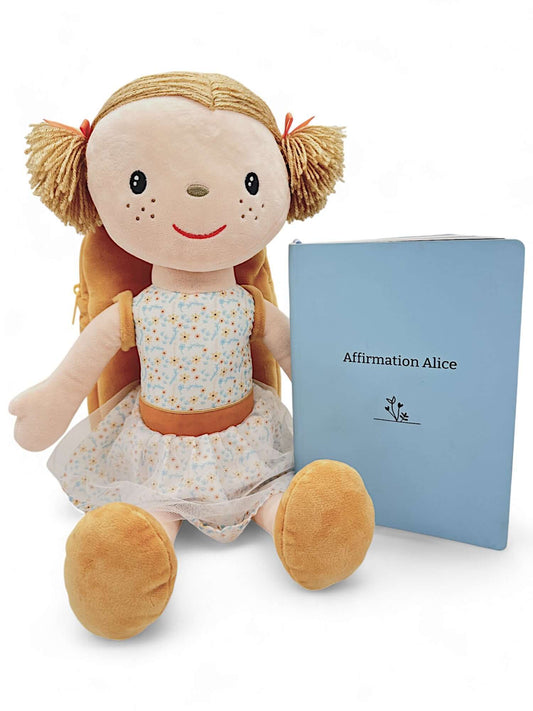
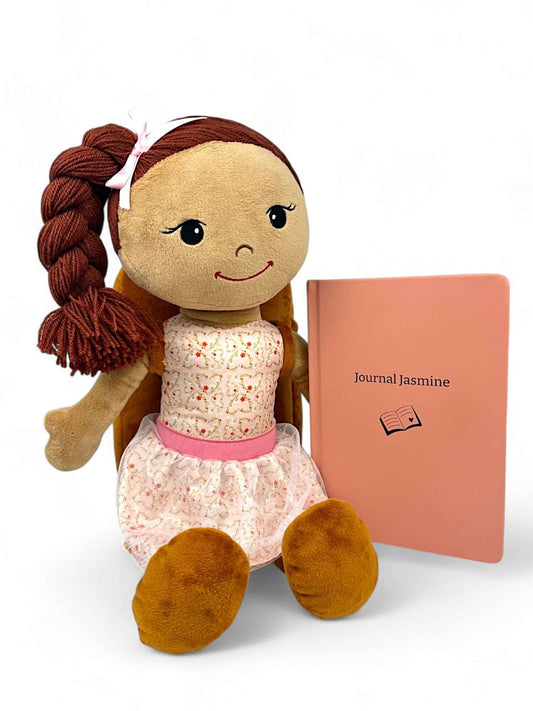
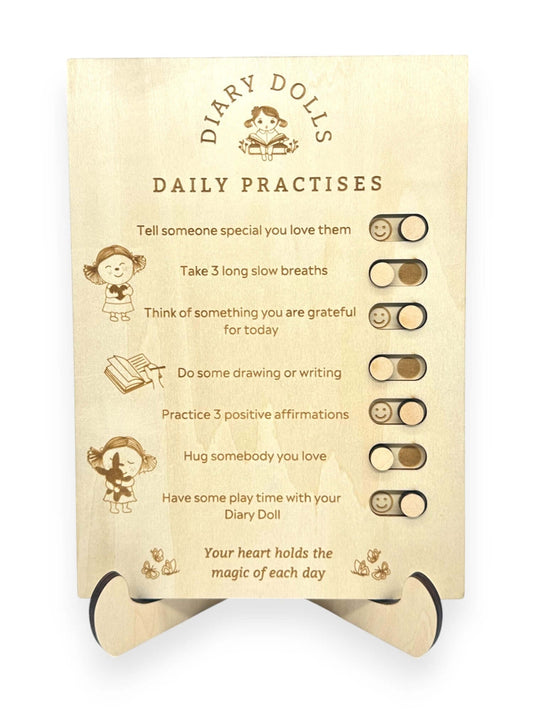
If you are looking for a simple way to bring more connection into your daily routine, Diary Dolls were created for exactly this purpose. A gentle moment each day to talk, reflect and help children process their feelings alongside a parent they trust.